
Guest Blog by Future Proof Advisor, Rochelle Webb

I’ve spent my career building brands and, for the past eight years, teaching marketing and entrepreneurship. The most valuable thing I’ve learned in either seat has nothing to do with marketing frameworks.
It is this simple fact: talent gets you in the room, but fluency in the unwritten rules decides what happens once you get there.
Those rules are rarely taught. How to take up space in a meeting without apologizing for it. How to ask a senior leader for fifteen minutes. How to tell the story of what you do so the listener leans in rather than glazes over. How to handle a disagreement with a co-founder, a client, or a boss without torching the relationship. I call it the hidden curriculum. Some people are handed the playbook early through family, mentors, or the right network. Plenty of equally capable people never are, and they spend years assuming everyone else just got the memo.
The epidemic starts early in life
As a professor, I can see these troubling trends early in life. I can tell you exactly when a student’s semester turns. It rarely happens on an exam. It happens when a student walks up after class, a little nervous, and asks how to email a professor, or how to introduce themselves to someone they admire, or what to say when a group project goes sideways.
Those questions never make it onto a syllabus. It does not make it into family dinner conversations. This is the hidden curriculum: the unwritten rules of how to show up, speak up, and be taken seriously. Some students arrive fluent because someone in their life spent the time to nurture and train that muscle. Plenty of equally smart, hardworking students arrive without it and assume they are the only ones who feel lost. So, the question becomes: how do we catch them up?
This pattern then perpetuates itself by creating a deep-seated pattern that is never washed away before arriving in their first couple of professional seats or when they start their own company. Some are lucky enough for people to look past it, while many are left wondering why they are missing every viable opportunity.
Great product, invisible value
In marketing, we say the best product doesn’t always win. The best-understood product does. A brilliant offering with a muddled story loses to a decent one that communicates clearly.
Students, young professionals, and entrepreneurs are no different. A first-year with real talent but no language for their strengths, no sense of how to network, and no habits for managing their time and attention is a great product with no go-to-market strategy. Then we are surprised when the interview or the pitch doesn’t convert.
Education is great at teaching content. It’s much shakier at teaching the translation layer: personal branding, storytelling, presence, conflict resolution, knowing how to ask for help. Those skills decide whether the content ever gets used. And they matter well beyond graduation, because the workplace runs on the same unwritten rules, only with higher stakes and less patience.
A positioning problem in disguise
When I look at a young professional or a first-time founder who isn’t getting traction, I rarely see a talent problem. I see a positioning problem.
A sharp analyst who can’t articulate his or her impact is a great product with a muddled story. A founder with a brilliant idea who can’t pitch it clearly, build relationships before he or she needs them, or manage his or her own time and energy is a great product with no go-to-market plan.
And for early-stage founders, it’s even more pointed, because at the beginning you are the brand. Investors, early customers, and your first hires are all buying you before they buy the company. Your presence, your story, and the way you show up under pressure are your earliest marketing assets, and almost no one gets coached on them.
What entrepreneurship teaches you about a gap like this
When you see a gap repeatedly, you have two choices: complain about it or build something. I have done enough of both to know which one is more fun.
Entrepreneurship, at its core, is noticing a pattern everyone else has normalized and refusing to normalize it. I’ve built startups of my own, so I know how steep the learning curve is and how much of it is avoidable. I also kept seeing the same invisible hurdles trip up the sharpest people I taught and worked with, long after graduation.
At some point, “someone should really teach this” turned into “I should really teach this.”
That’s how Redshirt Prep was born.
Why “Redshirt”?
In college athletics, a redshirt year is a season an athlete sits out of competition to train, learn the system, and build strength before playing. It isn’t falling behind. It’s a deliberate investment in being ready when it counts.
I wanted to bring that mindset to people at the start of their careers and ventures, who are usually told the opposite: move fast, figure it out, fake it till you make it. Speed matters, but so does preparation, and the two aren’t enemies.
Redshirt Prep is a coaching program that closes the life and professional skills gap for people at major transitions, whether that’s entering college, entering the workforce, or stepping into a first role of real responsibility. It runs in two phases. Foundation builds the core habits: organization, time management, presence, and how to communicate and collaborate well. Application puts those skills to work through networking, interviewing, storytelling, personal branding, and public speaking. Each phase has distinct Student and Young Professional pathways, because a sophomore-year student and a first-year business professional face different challenges.
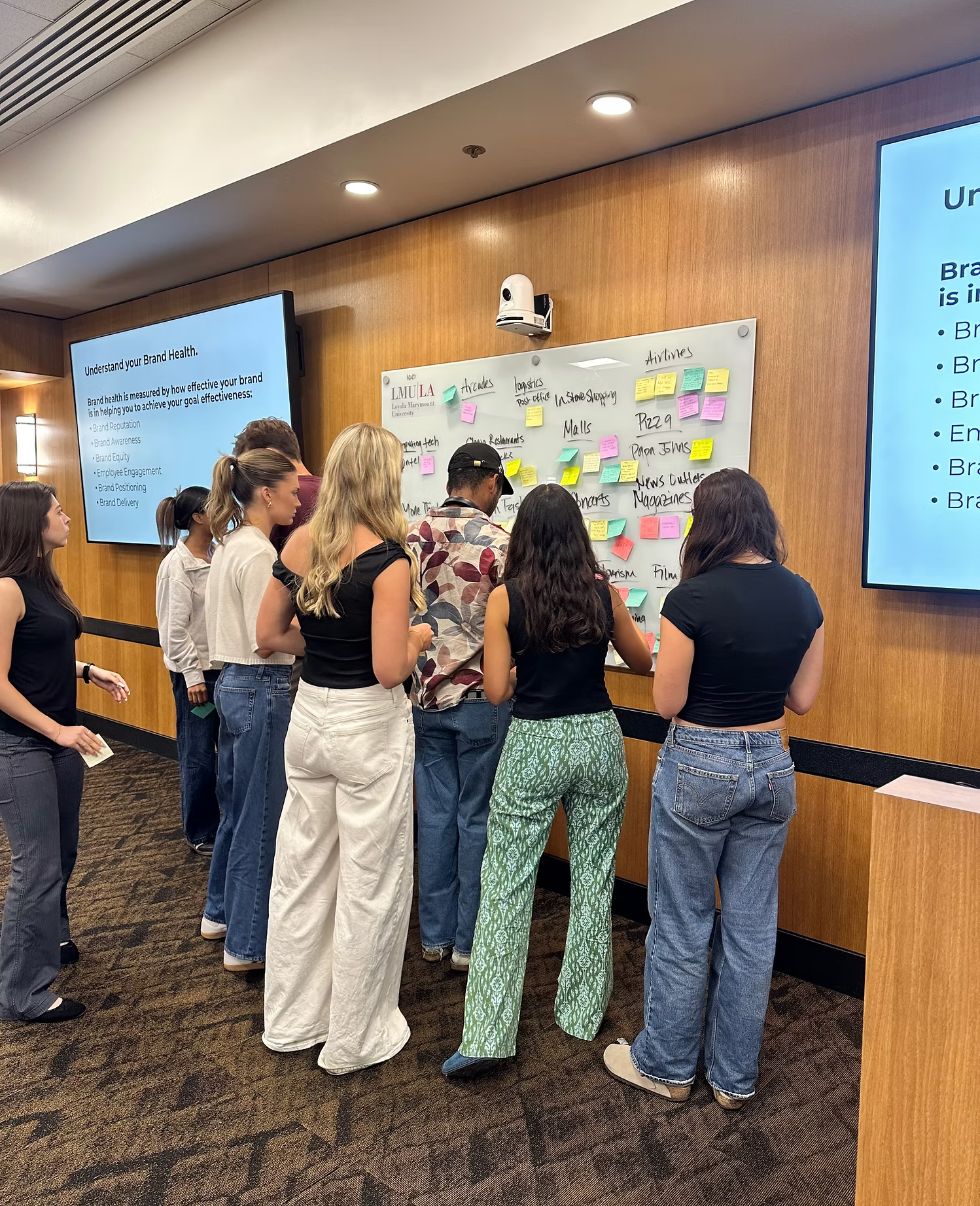
Every participant leaves with a custom playbook, a personalized guide to the hidden curriculum of their own world. They are also paired with guides we call Quarterbacks, as well as peer mentors who are people just a few steps ahead who remember exactly what it felt like to be where you are.
Access shouldn’t depend on who you know
If the hidden curriculum is a privilege, then access to it cannot depend on your existing network. It was important to me to build a scholarship fund for young professionals and students of color and those from low-income backgrounds, supported by corporate sponsors, which is a key priority we are focused on at the moment.
It’s a smart move for sponsors too. They get visibility from the scholars they have supported, plus a set number of seats for their own early-career employees to keep the ripple effect running. Companies that talk constantly about the readiness gap in new hires now have a direct way to help close it. And anyone who has tried to hire, retain, and develop young talent knows that gap is expensive.
What to do with this
If you advise, manage, or invest in early-career talent and founders, ask what unwritten rules you expect people to know that no one has ever taught them. The answer will probably explain a few things you’ve been attributing to “potential” or “fit.”
If you are building something yourself, pay attention to the questions people ask quietly after the meeting. They usually point straight at your next product.
And if you are a marketer at heart, as I am, remember that clarity is a competitive advantage, for a brand, for a business, and for the person in the room trying to tell their story.
The people who thrive aren’t always the most talented. They’re the ones who were ready. Let’s get more of them ready.

Rochelle Webb is a marketing executive, professor, entrepreneur, and Future Proof Advisor. She is the founder of The Dialectic Compound and Redshirt Prep and has led marketing and strategy initiatives across Fortune 500 companies and emerging ventures, including Quiksilver and the launch of Call of Duty’s Black Ops 2. Her work sits at the intersection of marketing, technology, entrepreneurship, and helping people turn ideas into action.